

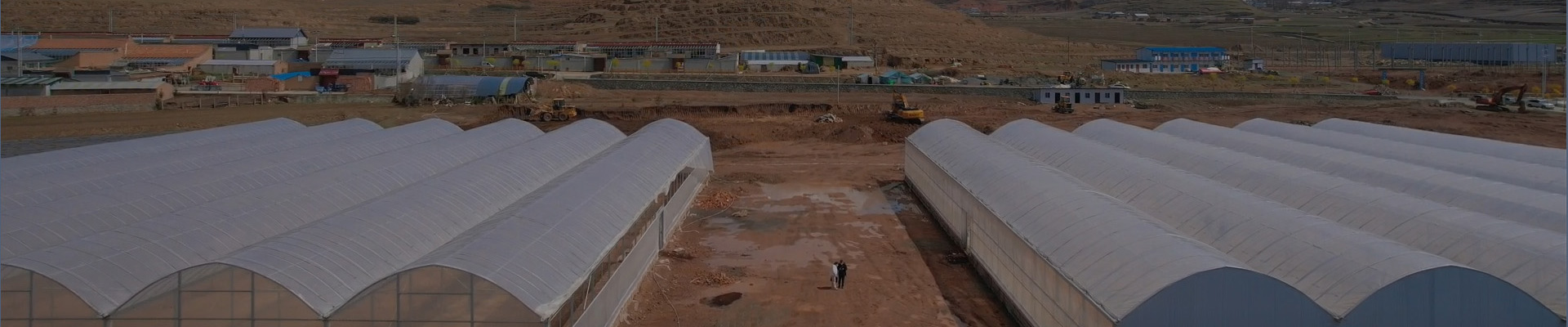
As agriculture faces increasing pressure from climate change, shrinking arable land, and the growing demand for safe, fresh food, hydroponic greenhouse systems are emerging as a scalable, sustainable solution. By combining soilless growing techniques with climate-controlled greenhouse environments, these systems enable consistent, high-yield production all year round.
In this global shift toward controlled environment agriculture (CEA), Chinese manufacturers are quickly becoming dominant players, offering affordable, customizable, and technologically advanced systems that appeal to growers across continents. But what’s driving this leadership, and what can the world expect from China’s rise in hydroponics?
What Makes Hydroponic Greenhouse Systems So Effective?
Hydroponics is a method of growing plants without soil, using nutrient-enriched water solutions to deliver essential minerals directly to plant roots. When integrated within a greenhouse, the method provides full environmental control — allowing producers to grow crops in almost any climate, on any terrain, and with minimal water usage.
Key Benefits Include:
- Higher crop yields per square meter
- Faster harvest cycles compared to soil-based farming
- Reduced water usage — up to 90% less than traditional agriculture
- Fewer pests and soil-borne diseases
- Greater consistency and quality of produce
- Suitability for urban, desert, or extreme environments
With the integration of IoT (Internet of Things), AI-powered climate control, and smart irrigation systems, today's hydroponic greenhouses are more productive, precise, and resilient than ever before.

Why Are Chinese Manufacturers Leading the Way?
Chinese manufacturers have become a driving force in the hydroponics industry for several reasons. Their ability to combine cost efficiency with customized, turnkey solutions makes them especially attractive to global partners — from startup farmers to government-funded food security projects.
1. Turnkey Solutions from Design to Deployment
Leading Chinese greenhouse providers often manage the entire project lifecycle, including:
- Site analysis and custom system design
- Manufacturing of greenhouse frames, irrigation, and climate control units
- Delivery, installation, and technical training
- After-sales service and system upgrades
This vertical integration enables clients to avoid the cost and complexity of working with multiple vendors.
2. Global Cost Advantage Without Compromising Quality
Thanks to China’s mature industrial base and efficient logistics, hydroponic systems made in China can be 15%–30% more affordable than European or North American equivalents. Yet quality remains high, as many manufacturers meet ISO, CE, and SGS certifications, ensuring international compliance.
In particular, greenhouse structures are built using hot-dip galvanized steel, high-light-transmittance polycarbonate or glass, and industrial-grade components — allowing for 20+ years of reliable service life.
3. Rapid Export Growth and International Expertise
Many Chinese manufacturers, including companies like CFGET, have already completed projects in:
- Desert environments (e.g., UAE, Saudi Arabia)
- Tropical and equatorial regions (e.g., Southeast Asia, Kenya)
- Temperate climates (e.g., the Netherlands, Poland)
These companies have developed the ability to adapt their solutions to local climate, crops, and power availability, making them valuable partners in varied environments.
4. Technological Innovation and Sustainability
Modern Chinese hydroponic greenhouses integrate:
- LED grow lighting systems for photoperiod control
- Recirculating water systems that minimize waste
- Solar panels and thermal screens for energy efficiency
- Automated dosing systems that adjust nutrient levels in real time
Some models even include AI-driven monitoring dashboards and mobile apps, allowing growers to control systems remotely.

Real-World Success Stories
UAE: Desert Farming with Year-Round Production
A Chinese-built hydroponic greenhouse in Abu Dhabi now grows lettuce and herbs even during peak summer, where outdoor temperatures reach 45–50°C. Thanks to evaporative cooling, CO₂ injection, and precise climate regulation, the farm harvests three full cycles per month with excellent quality.
South Africa: Vertical Hydroponics in Urban Zones
In Johannesburg, a 1,000 m² hydroponic greenhouse constructed by a Chinese firm helped a local enterprise convert a vacant warehouse area into a productive vertical farm. The system includes multi-layer NFT channels, high-efficiency LED lights, and smart fertigation, enabling local production of basil, spinach, and kale for nearby restaurants.
Poland: Climate-Resilient Crop Trials
In Central Europe, where outdoor weather limits farming months, a local agricultural research station partnered with a Chinese greenhouse company to test strawberry and tomato varieties using hydroponics. The greenhouse operates with geothermal heating and solar energy backup, cutting carbon emissions by over 40% compared to traditional methods.
What Opportunities Lie Ahead?
As the global population grows and environmental resources dwindle, hydroponics is poised to play a central role in the future of food production. The United Nations and numerous regional governments are already encouraging resource-efficient agriculture — and hydroponic greenhouse systems directly address these needs.
Chinese manufacturers are particularly well-positioned to meet global demand due to their:
- Modular and scalable system designs
- Ability to adapt systems to local regulations
- In-house engineering teams for customization
- Readiness to support renewable energy integration
Whether it’s leafy greens in Singapore, berries in Kenya, or microgreens in Canada, Chinese suppliers are already helping local farmers transition to low-risk, high-output farming model
Conclusion: Should You Choose a Chinese Hydroponic System?
If you're considering a hydroponic greenhouse project, the answer is increasingly clear: Yes — especially if you seek a high-performance, cost-effective, and customizable solution.
Chinese manufacturers bring together:
- Engineering strength
- Affordable pricing
- Smart automation
- Strong global delivery capabilities
They are not just manufacturers, but partners in your long-term agricultural success.
Whether you're a government seeking national food resilience, a commercial grower targeting urban supermarkets, or an NGO working on community nutrition, China's hydroponic greenhouse solutions are ready to scale with your goals.
Post time: Aug-28-2025



 Click to Chat